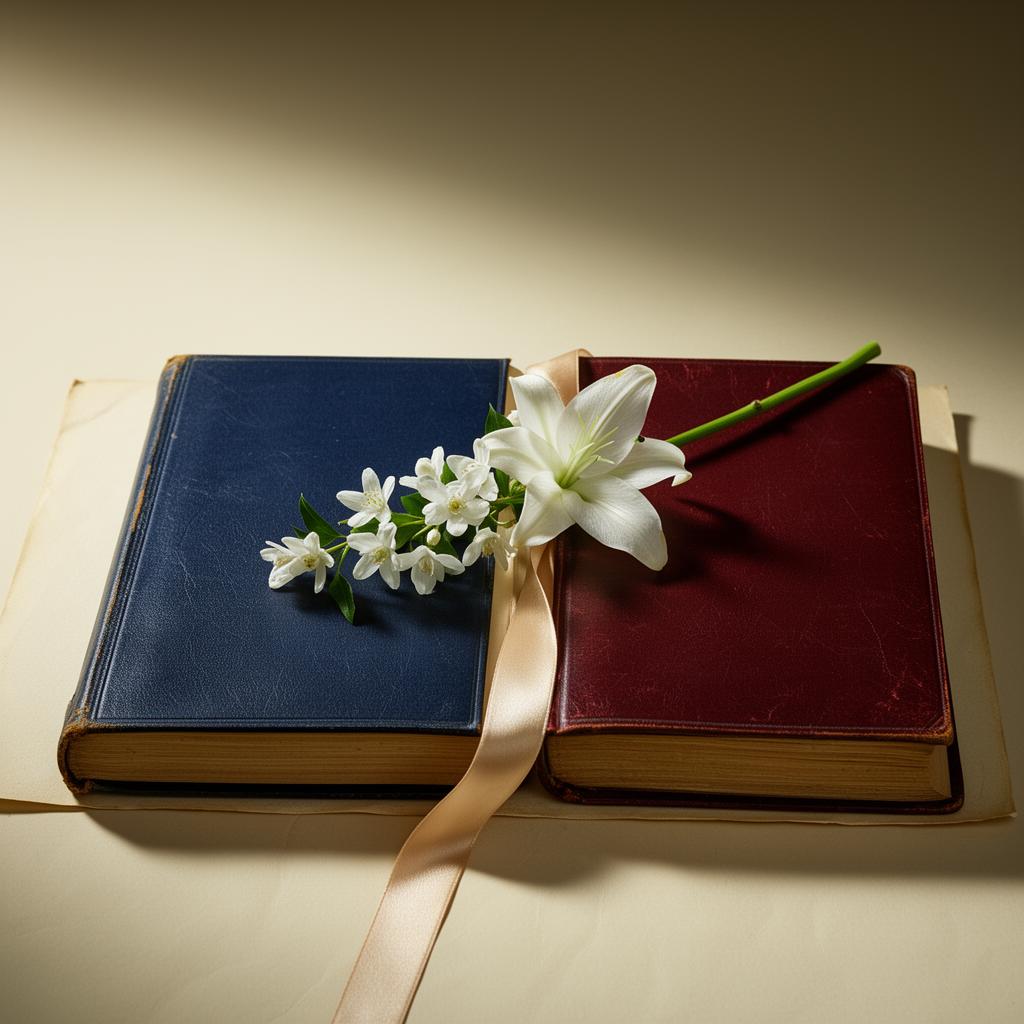
There is a particular kind of Malaysian family for whom the question of legacy does not arrive through one tradition. It arrives through two.
By marriage. By conversion. By the structure of what they own. By the simple geography of a household that holds both inheritances at once.
The estate, when it comes, must read in both languages. And a single will — however carefully drafted — is rarely the instrument that can compose them.
Malaysian estate planning, viewed as architecture rather than as paperwork, is not one discipline but two that sit beside one another.
On one side is the civil tradition: the Wills Act 1959 and the instruments that flow from it, governing the disposition of estates outside the Islamic framework.
On the other is the Islamic tradition: Wasiyyah, Hibah, and Takaful nomination — older instruments, with centuries of jurisprudence behind them, governing the disposition of estates within it.
Both are real. Both are practised quietly, every day, in chambers and at desks across the country. And the categorical interface between them is older than any family currently living through it.
What makes a single will the wrong tool, in the families to whom this applies, is not poor drafting.
It is a category mismatch. The instrument was never designed to compose two jurisdictions at once. It was designed to express the principal's wishes within one of them.
Asked to do more, it begins to fall quietly silent on the parts of the estate it was not built to address. The silence is not noticed during the principal's lifetime. It is noticed at probate, by the family.
By then it is the family's problem, not the principal's.
The discipline, when it is done well, is not a piece of software and not a checklist.
It is a drafting room in which both traditions are held present at once — with the appropriate counsel retained for each, quietly, from the first conversation. The principal does not toggle. The principal does not choose between traditions, because the tradition is theirs already. The instrument arranges itself around the family that walks in.
What it asks of the principal is not learning. It is preparation.
The most common error in this territory is not malpractice. It is unaccompanied drafting — a will composed under one tradition by a family who lives, in some quiet but consequential way, under both.
The error is invisible until it isn't. Then it is too late to consult the principal who would have resolved it in five minutes had anyone asked.
There is a discipline, perhaps even a courtesy, in attending to this before the question becomes urgent.
An estate that reads in both languages is not a more complicated estate. It is an estate that has been read with both eyes open.
If your family carries more than one tradition — by marriage, by faith, by the structure of what you have built — the architecture of your estate may benefit from being read with both eyes open. Jasmine Lily Ho works privately with principals whose legacy must, by quiet necessity, compose more than one inheritance.